

Dive In! Top Scuba Diving Destinations You’ve Gotta Check Out
Alright, fellow ocean lovers! If you’re itching to slip on your fins and explore the underwater world, you’re in the right spot. I’m here to spill the beans on some of the top scuba diving destinations that’ll blow your mind and fill your dive log with epic stories. Whether you’re a newbie or a seasoned diver, these spots have something special for everyone. Ready? Let’s dive right in!
Splash Into the Top Scuba Diving Destinations
First off, let’s talk about what makes a diving spot truly awesome. Clear water? Check. Crazy cool marine life? Double check. Easy access and good dive shops? You bet. Here are some of my personal faves that tick all those boxes:
Great Barrier Reef, Australia
This one’s a classic. It’s massive, colorful, and packed with life. You’ll see everything from tiny clownfish to giant manta rays. Plus, the coral formations are like underwater skyscrapers.
Bimini, Bahamas
If you’re into crystal clear waters & amazing wildlife It’s a bucket-list dive for sure.
Raja Ampat, Indonesia
This place is a biodiversity hotspot. You’ll find rare critters, vibrant corals, and schools of fish that look like moving rainbows. It’s a bit off the beaten path, but totally worth it.
Red Sea, Egypt
Warm water, amazing visibility, and wrecks galore. The Red Sea is perfect for wreck lovers and reef fans alike. Plus, the desert backdrop makes for stunning surface views.
Roatan, Honduras
World-class, offering calm, clear waters (100ft visibility), vibrant coral reefs on the second-largest barrier reef, dramatic walls, wrecks, and abundant marine life.

What is the 120 Rule in Scuba Diving?
Okay, quick dive into some safety stuff. Ever heard of the 120 rule? It’s a simple guideline to keep your dives safe and fun. Here’s the scoop:
The 120 rule helps you roughly figure out how long you can safely stay underwater based on your depth. You add your depth to your bottom time, and the total should not exceed 120. For example, if you’re diving at 60 feet & you want to stay down for 60 minutes (60 + 60 = 120).
Why does this matter? It helps prevent decompression sickness by keeping your nitrogen levels in check. Stick to this rule, and you’ll have more dives to enjoy without any nasty surprises.
Gear Up: What You Need for Your Dive Adventure
Before you hit the water, let’s talk gear. You don’t need to break the bank, but having the right stuff makes a huge difference. Here’s my go-to checklist:
Mask and snorkel - Fit is key here. Try before you buy.
Fins - Comfort and efficiency matter. Full foot or open heel? Your call.
Wetsuit - Thickness depends on water temp. Remember, you can't warm up if you are cold, but you can cool down if you are warm. Don’t freeze!
BCD (Buoyancy Control Device) - Helps you float and control your depth.
Regulator - Your lifeline underwater. Make sure it’s reliable.
Dive computer - Tracks your depth and time so you don’t have to do math underwater.
Weights - To help you sink and stay put.
Underwater camera (optional) - Capture those epic moments!
If you’re new, many dive shops rent gear, so no stress about buying everything upfront. Just make sure you’re comfortable and confident with your setup.

Tips for Making the Most of Your Dive Trip
I’ve been on my fair share of dive trips, and here’s what I’ve learned to make them awesome:
Plan your dives around the tides and weather - Calm seas mean better visibility and safer dives.
Stay hydrated and rest up - Diving is fun but can be tiring. Your body will thank you. Make sure you drink water before your dive, in between your dives, and after your dives.
Dive with a buddy or a guide - Safety first, ALWAYS dive with a buddy and guides usually know the best spots.
Respect the marine life - No touching or chasing critters. Let them do their thing.
Practice good buoyancy - It saves the reef and makes your dive smoother.
Take a refresher course if you haven’t dived in a while - It’s easy and boosts your confidence.
Remember, diving is about fun and respect. The ocean is a playground, but it’s also a fragile ecosystem.
Why Local Dive Shops Rock and How They Help You Dive Better
If you want to get the most out of your diving adventures, local dive shops are your best pals. Here’s why:
They know the spots - Local pros can tell you where the fish are biting and what conditions to expect.
Gear rentals and sales - No need to lug heavy gear, if you don’t want to.
Training and certification - They offer courses for all levels, from newbie to pro.
Community vibes - Meet other divers, join group dives, and share stories.
Conservation efforts - Many shops support reef cleanups and marine protection.
Supporting local dive shops helps keep the diving scene alive and thriving. Plus, you get insider tips that you won’t find in guidebooks.
So, if you’re ready to explore the underwater world, check out these best scuba diving locations and gear up for your next adventure. Dive safe, have fun, and keep the ocean happy!

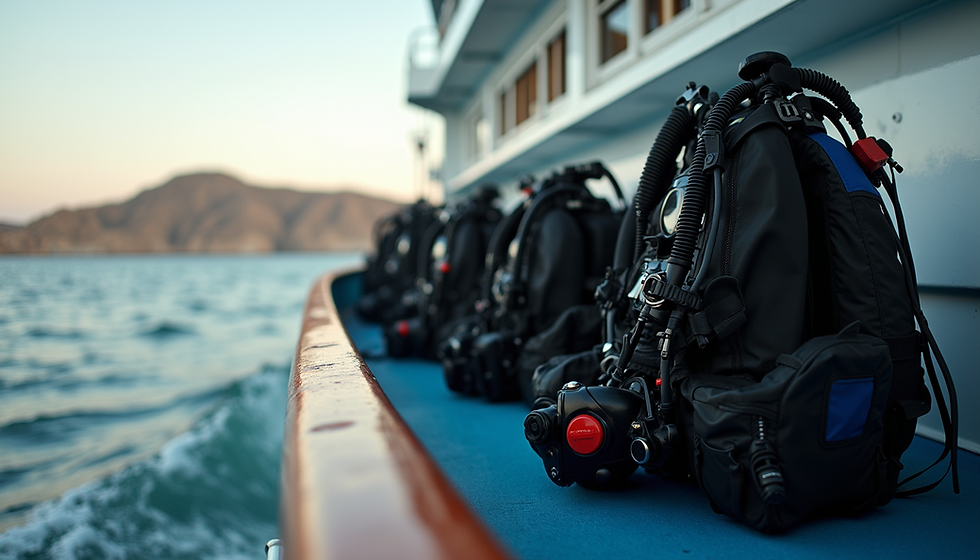

Diving First oversees guided dive activities. The coordination seems steady. It helps build technical consistency.
great article, only destination i havnt been to is bahamas LOL