

The Fascinating World of Underwater Diving Guide
Diving into the deep blue is like stepping into another world. It’s quiet, mysterious, and full of surprises. I still remember my first dive as a 13 year old freckle faced teen in Key Largo - the rush, the calm, the colors. If you’ve ever thought about exploring beneath the waves, you’re in for a treat. This guide will take you through the basics, the thrills, and the secrets of underwater diving. Ready? Let’s dive in!
Your Ultimate Scuba Diving Guide
Getting started with scuba diving is easier than you think. First off, you’ll want to get some basic training. Most places offer beginner courses, Open Water Course, that cover the essentials - how to breathe underwater, use your gear, and stay safe. Trust me, a good instructor makes all the difference.
Here’s what you’ll need to know:
Gear up w/ the Basics: Mask, fins, snorkel, & wetsuit.
Breathing basics: Slow and steady wins the race.
Equalizing pressure: Pinch your nose and gently blow to avoid ear pain.
Buddy system: Never dive alone. Always have a partner.
Once you’ve got the hang of it, you can explore reefs, shipwrecks, and underwater caves. The ocean is a playground, and every dive is a new adventure.

How Deep Can a Human Go Underwater?
This one’s a head-turner. How deep can we actually go? Well, it depends. For recreational divers with the correct training, the limit is usually around 130 feet (40 meters). Going deeper needs additional special (technical) training and gear.
Here’s the scoop:
Recreational diving: Up to 130 feet. Perfect for most fun dives.
Technical diving: Beyond 130 feet, with mixed gases and decompression stops.
Freediving: Holding your breath and diving deep without tanks. The world record? Over 700 feet, but that’s extreme.
Depth affects pressure, and pressure affects your body. That’s why training is key. You don’t want to rush it and risk decompression sickness or other issues.
The Gear That Makes It All Possible
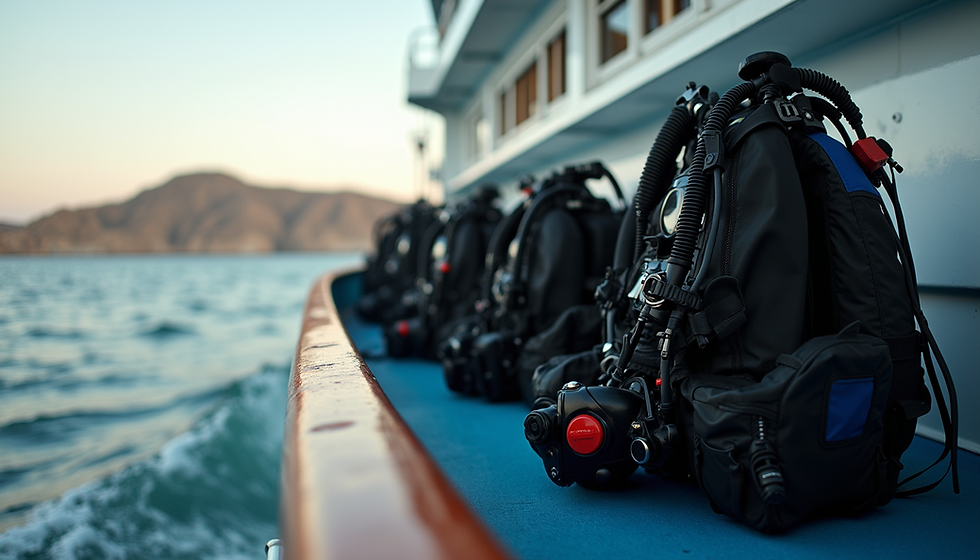
You can’t just jump in and expect to breathe underwater. That’s where the gear comes in. Here’s a quick rundown of the essentials:
Mask - Lets you see clearly underwater.
Fins - Help you swim efficiently.
Snorkel - For breathing at the surface without lifting your head.
Wetsuit or Drysuit - Keeps you warm and protected from the elements.
Regulator - Delivers air from your tank.
Buoyancy Control Device (BCD) - Helps with your buoyancy.
Tank - Holds your breathing gas; air, nitrox, or mixed gases.
Each piece has a job, and together they make underwater diving SAFE and FUN. Always check your gear before a dive. A quick pre-dive check, BWARF can save your life.

Tips for Your First Dive
Nervous about your first dive? That's not a bad thing. It keeps you on your toes. Here are some tips to keep you cool and confident:
Take a deep breath - Literally and figuratively.
Listen to your instructor/guide - They know their stuff.
Go slow - No need to rush underwater.
Stay relaxed - Calm breathing helps conserve air.
Keep an eye on your buddy - Safety first.
Enjoy the moment - Look around and soak it all in.
Remember, every diver was a beginner once. The ocean is patient and welcoming.
Why Join a Local Diving Community?
Diving is more fun with friends. Joining a local group or club connects you with people who share your passion. Plus, you get access to:
Group dives and trips
Gear swaps and discounts
Training and workshops
Conservation projects
At No Shenanigans Diving, we’re all about making diving accessible and fun. We also care about protecting our oceans. When you dive with us, you’re part of a community that loves the sea and wants to keep it healthy.
Ready to Dive In?
If you’re itching to explore the underwater world, start with a beginner course. Check out local dive shops or clubs. And when you’re ready, take the plunge with underwater diving - it’s a whole new way to see the world.
The ocean is waiting. Grab your gear, find a buddy, and dive into the adventure of a lifetime!


Comments